Two Very Different Digital Trading Systems
Two Very Different Digital Trading Systems[edit]
FIFA Infinity: Ultimate Team’s Economy Compared to Tarkov’s Market
https://i.postimg.cc/mDrCtyK0/fut-trading.jpg
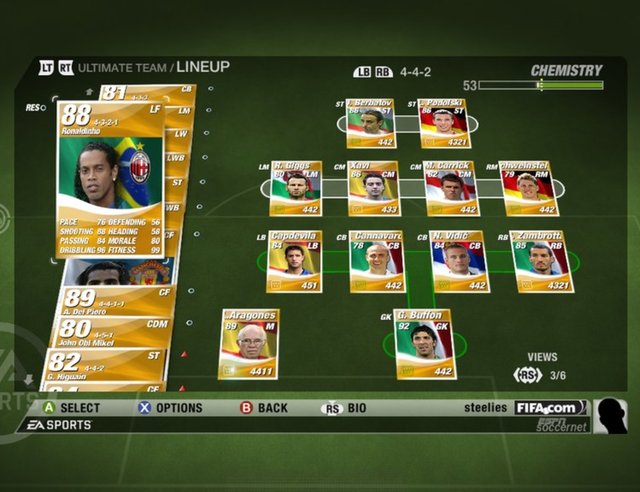
Contrasting Two Online Game Economies
Modern online gaming involves more than just playing matches. In-game markets now define player progress and interaction. Among the most discussed examples are Tarkov’s Market vs. Ultimate Team’s Economy, two models which function in unique ways. In case you need Two Very Different Digital Trading Systems at this link you will find what you were looking for!
The Core Jobs-to-be-Done Behind Digital Trading
https://i.postimg.cc/FHQSj42b/fc24-ultimate-team-trading-guide.jpg
Assembling Power and Prestige
• FIFA Infinity’s Ultimate Team: The purpose here is to create a high-performance team. Progress is tied to both status and performance. • Tarkov’s Market: The need is not prestige but survival efficiency. It enables players to gain necessary survival gear.
Reducing Friction in Progression
• FIFA Infinity’s card economy: Easy to access, simple transactions, fast pace. • Escape from Tarkov’s Flea Market: A marketplace shaped by realism and scarcity.
Two Very Different Digital Trading Systems
1. Ultimate Team’s Economy:
• Driven by real-life sports performance.
• Open and inclusive for all types of players. Promotes endless cycles of upgrades.
2. Escape from Tarkov’s economy:
• Centered on scarcity and realism.
• Encourages thoughtful decision-making.
• Replicates risk and scarcity of survival.
Practical Lessons From These Systems
https://i.postimg.cc/vm06F6DX/image.jpg

Takeaways for Gamers
Those seeking speed and prestige should look at FIFA Infinity. If the job is strategic survival, Tarkov’s market wins.
Developer Takeaways
FIFA Infinity proves the strength of dynamic systems tied to real-world data. Tarkov shows that difficulty and scarcity increase depth.
Final Thoughts
Analyzing Tarkov’s Market vs. Ultimate Team’s Economy highlights two very different digital trading systems. One favors casual accessibility, the other rewards hardcore strategy. Both examples show that successful virtual economies reflect what players truly want.